
Testing Must Serve People, Not Systems
New GetaKit findings show that real equity means offering real choices and real access to gold standard HIV testing

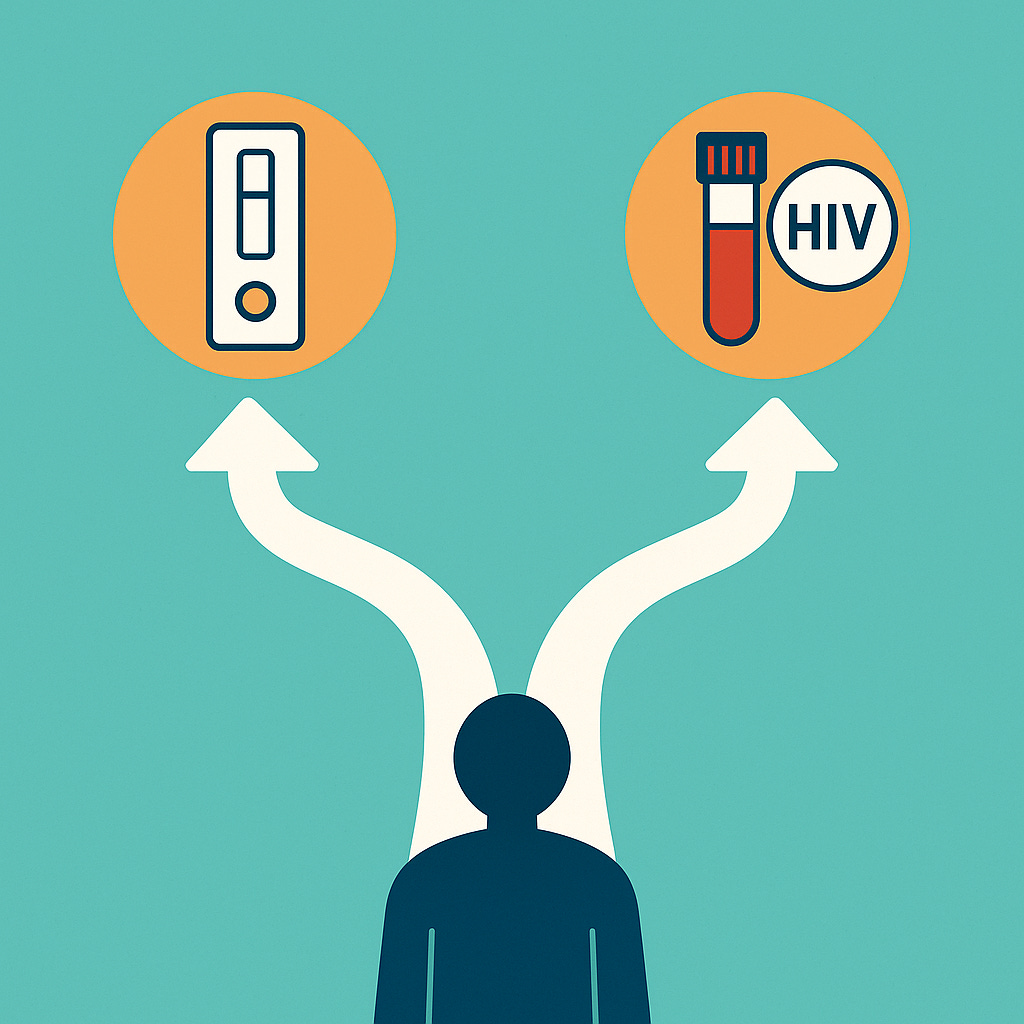
HIV prevention begins with a single act of trust. Someone deciding to test. Someone deciding to step toward care. Someone deciding that the system is safe enough to engage with. That is why the latest findings from the GetaKit study matter. The article, Comparing the Uptake of HIV Self Testing to HIV Serology, offers a clear and detailed look at how people actually behave when they have a meaningful choice. These findings move beyond assumptions and provide important insights into what people truly prefer and why.
When participants were offered both an HIV self test and lab based serology, most chose serology. Among those who said they were willing to attend a lab, nearly two thirds selected the full laboratory option. The self test still played a role, but it was often a starting point rather than the final step. For many people, serology remained the trusted and preferred approach.
At the same time, almost one third of participants reported they were not willing to attend a lab at all. This reluctance was more common among Black, Indigenous, and other racialized participants. This reflects something many communities have been expressing for years. When people have faced stigma, racism, or a lack of cultural safety in healthcare settings, returning to those same environments does not feel safe. A self test can help someone take the first step, but it cannot undo the structural harms that created the barrier in the first place.
What becomes clear in these findings is the importance of ensuring that every person has access to the strongest standard of care. Self tests absolutely serve a purpose and can be incredibly effective when used with intention, but they are not a replacement for comprehensive testing. Equity is not achieved by offering the least robust tool to the communities that have already experienced the greatest inequities. True equity means giving people access to gold standard testing and the supports that come with it.
Additional data make this even more obvious. Before full testing became available in Simcoe Muskoka, uptake of self tests averaged only three orders per week. When the Simcoe Muskoka District Health Unit launched their Testing At Home program with GetaKit in September of this year, giving people access to comprehensive HIV and STI testing through the full platform, that number increased to thirteen orders per week. Almost two people every day are now completing full testing compared to only three per week previously. About one hundred and sixty people in the region have already used the expanded approach to complete their testing. This shift demonstrates what happens when people are offered the kind of testing they trust and prefer.
People want complete testing. People want accuracy. People want reliability. People want care that feels real and thorough. When given the choice, they choose the gold standard.
The findings also highlight the specific role that self tests continue to play. First time testers were more likely to choose them. People who feel uncomfortable in lab settings use them to take that initial step. The self test is a meaningful bridge for people who might otherwise avoid testing altogether. It helps reduce fear and uncertainty and creates an entry point toward care and prevention, especially when paired with supportive follow up and clear pathways to PrEP and U=U.
This aligns closely with the work I do every day. U=U depends on accurate testing and supportive care. PrEP depends on identifying people who would benefit from prevention and connecting them with services that work for them. None of this is possible without testing strategies that reflect people’s realities and remove unnecessary barriers. Self tests can open the door. Serology helps anchor people within the care system and ensures they receive the support they need.
The study also reminds us that any testing strategy must be grounded in the way people actually navigate healthcare. It must reflect patterns of trust, safety, stigma, and comfort. It must make prevention easier to access. It must address the structural problems that keep some people at a distance. Without that work, we risk placing too much responsibility on individuals and not enough on the system that is supposed to support them.
Equity requires more than convenience. Equity requires more than distributing the simplest tool available. Equity requires providing every person, in every community, with real access to gold standard testing and care. It requires choices that are genuine choices rather than the only option available.
The GetaKit findings point clearly to the way forward. Self tests remain a key bridge. Serology remains the foundation. Communities deserve both. Most importantly, they deserve systems that treat them with dignity from the first moment they choose to test.
Ending new HIV diagnoses in Canada will not happen because of a single tool. It will happen because people feel safe accessing the system. It will happen because testing options honour their realities. It will happen because prevention is offered consistently, confidently, and compassionately. It will happen because care is centred on people, not systems.
When people have real access, they use it. When they feel respected, they return. When they receive the strongest standard of care, prevention becomes truly possible. That is how we move forward. That is how we honour equity. And that is the work still ahead.